
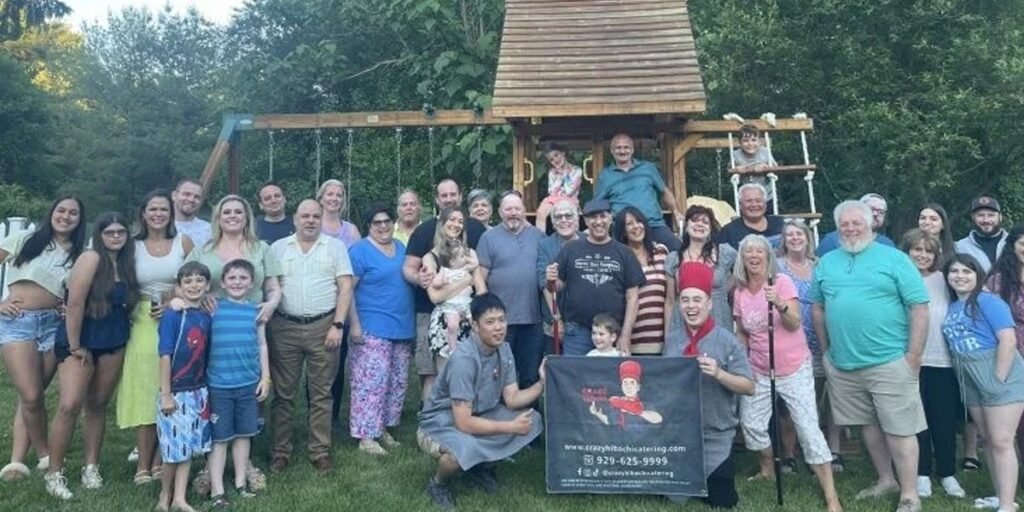
Private events are moving away from passive catering models. When people explore a hibachi party at home or consider hibachi catering at home, they are looking for a format that combines convenience with engagement.
At Crazy Hibachi, this shift is clear. Catering is no longer just about delivering food. It is about designing an experience that fits seamlessly into a private setting while maintaining professional standards.
Why Traditional Catering Feels Increasingly Static
Buffet lines and plated service have remained largely unchanged for decades.
They are efficient but passive. Guests interact with food, not with the process behind it.
Hibachi introduces visibility. Cooking becomes part of the event. This shift changes how guests perceive value.
The Structural Advantage of Hibachi Catering
Hibachi catering operates on a different model. It integrates preparation and service into a single live process.
This creates:
- Immediate freshness
- Continuous engagement
- Simplified logistics for hosts
Instead of coordinating multiple vendors, hosts rely on a single structured system.
Understanding Cost Versus Value in Private Events
Cost discussions often focus on price per person. A more useful lens is value per experience.
Hibachi delivers:
- Dining and entertainment combined
- Reduced need for additional activities
- Higher perceived value among guests
This changes how budgets are allocated. Spending shifts from multiple categories into one integrated solution.
Execution Variables That Shape the Outcome
Not all hibachi experiences are equal. Quality depends on execution.
Key variables include:
- Chef skill and presence
- Equipment quality and setup efficiency
- Timing and service flow
- Ingredient consistency
At Crazy Hibachi, chef selection is a controlled process. We prioritise individuals who can manage both technical cooking and guest interaction without compromising either.
Decision Considerations for Hosts
Choosing hibachi catering at home requires a grounded assessment of a few practical variables. Space availability is the first consideration. A clear and safe cooking area, along with comfortable seating, ensures that both the chef’s performance and the guest experience are not constrained by the environment.
Guest profile also plays a meaningful role. Age groups, dietary preferences, and the overall tone of the gathering influence how the experience is paced and delivered. A well-balanced group allows the interaction to feel natural rather than forced.
Event duration is another factor that often goes underestimated. Hibachi follows a structured rhythm, and aligning expectations with that flow ensures that the experience feels complete rather than rushed or prolonged. When these elements are considered together, the outcome is far more predictable and refined.
Experiences like this reveal a broader industry pattern. The success of modern private dining formats is rarely about novelty alone. It is about how well the format fits into the realities of the host’s space, guests, and expectations.
Closing Insight: Integration Defines Modern Catering
Hibachi catering at home represents a shift toward integrated experiences. It combines food, interaction, and structure into a single format that reduces complexity for hosts.
At Crazy Hibachi, the emphasis is on delivering consistency in varied environments. The goal is not to redefine catering, but to refine how it fits into modern gatherings.
The takeaway is simple. The future of private events belongs to formats that do more with less fragmentation.
FAQs
How is hibachi catering at home different from traditional catering?
Traditional catering focuses on food delivery or buffet service. Hibachi catering adds live cooking and interaction. This creates a more engaging experience and reduces the need for separate entertainment or activities.
Is hibachi catering suitable for large groups?
Yes. Hibachi setups can accommodate larger groups by adjusting chef count and service flow. Proper planning ensures that food is prepared efficiently while maintaining quality and engagement.
What should hosts prepare for a hibachi party at home?
Hosts typically provide seating, dining essentials, and beverages. Chefs handle cooking equipment and food. This division keeps preparation manageable while ensuring a professional dining experience.
How long does a hibachi catering event last?
Most events last between one and two hours depending on group size and menu. The structured flow ensures that guests are engaged throughout without unnecessary delays.