
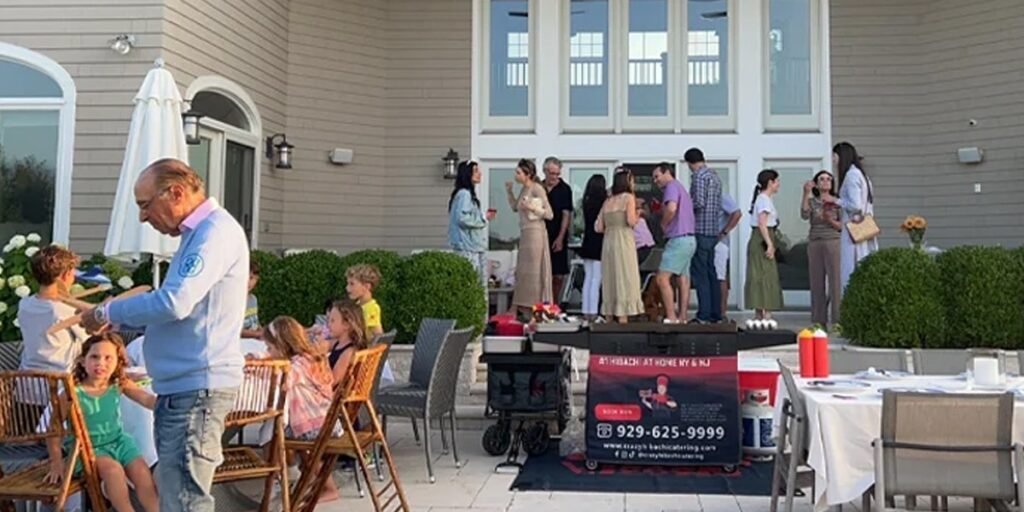
Hosting has evolved. Expectations have changed. The question is no longer just about food, but about experience. When people search for what is hibachi at home and how does it work, they are trying to understand a format that blends dining, performance, and logistics into one seamless event.
At Crazy Hibachi, we see it as a structured service model rather than a novelty. It is a system that brings restaurant-grade cooking, live interaction, and operational precision directly into a private setting, without transferring the burden to the host.
Defining Hibachi at Home Beyond the Trend
Hibachi at home is often misunderstood as simply outdoor cooking. In practice, it is rooted in Japanese teppanyaki, a style where food is prepared on a flat iron griddle in front of guests.
The distinction matters. Teppanyaki is not just about heat and ingredients. It is about sequencing, timing, and performance. Every movement is intentional, from ingredient placement to plating.
At Crazy Hibachi, this translates into an experience where cooking becomes part of the event’s structure rather than a background task.
The Operational Model Behind the Experience
The operational model behind hibachi at home is structured, even if the experience feels effortless to guests. It begins with pre-event coordination, where headcount, dietary preferences, and spatial layout are confirmed to eliminate friction on the day of the event. This stage is often overlooked, yet it determines how smoothly everything else unfolds.
From there, the process moves into mobile setup and equipment deployment. Our chefs arrive with grills, tools, and ingredients, setting up in a way that is both efficient and minimally disruptive to the host’s space. The intention is to integrate into the environment rather than take it over.
Once service begins, live cooking follows a deliberate sequence. Meals are prepared in timed rounds, ensuring that each guest receives food at the right moment without delays or batching. This pacing is critical, as it maintains both freshness and engagement throughout the event.
The final phase is post-service breakdown. Cleanup and equipment removal are handled quietly and efficiently, allowing the event to conclude without operational noise. When this entire system works as intended, the host remains fully present, never pulled into logistics.
What Hosts Actually Need to Prepare
A common misconception is that hibachi at home requires complex preparation from the host. In reality, the requirements are minimal but important.
- Seating and surface space: Guests need a comfortable place to sit and dine near the cooking area.
- Basic dining essentials: Plates, cutlery, and beverages remain the host’s responsibility.
- Clear cooking zone: A safe, accessible space allows chefs to perform without constraints.
This division of responsibility is intentional. It allows us to control the culinary and operational experience while the host focuses on the social environment.
Where Teppanyaki Technique Shapes the Outcome
Technique is often overlooked in casual discussions about hibachi. Yet it is the defining factor in quality.
Teppanyaki relies on:
- Heat control rather than heavy seasoning
- Timing rather than batch cooking
- Precision rather than improvisation
These principles ensure that proteins retain texture, vegetables maintain structure, and flavors remain clean.
At Crazy Hibachi, chef selection reflects this standard. We prioritise individuals who understand both the culinary discipline and the performative aspect of teppanyaki.
Why Execution Quality Matters More Than Menu Variety
Many assume that a broader menu creates a better experience. In practice, the opposite is often true.
A focused menu allows:
- Better timing across guests
- Consistent quality across dishes
- Stronger interaction between chef and audience
Experiences like this reveal something broader about the industry. Many services emphasise variety as a selling point, yet the real differentiator is execution discipline.
A well-run hibachi event feels effortless. That outcome is rarely accidental.
Closing Perspective: Experience Is a System, Not a Feature
Hibachi at home works because it is structured. It combines culinary technique, operational planning, and live interaction into a single system.
At Crazy Hibachi, the goal is not to impress through complexity. It is to deliver consistency in environments that are inherently unpredictable.
The takeaway is simple. When the system is sound, the experience feels natural.
FAQs
Is hibachi at home suitable for small gatherings?
Yes. The format scales well for both small and large groups. Smaller gatherings often benefit more because interaction with the chef becomes more personal, and the pacing of the meal can be adjusted to suit the group’s preferences.
Do hosts need special equipment for hibachi at home?
No. Professional chefs bring their own grills and tools. Hosts only need to provide seating, dining essentials, and a suitable space. This division keeps the experience convenient and reduces preparation stress.
How long does a hibachi at home event usually last?
Most events run between one and two hours depending on group size and menu selection. The pacing includes setup, cooking, dining, and light interaction, creating a structured yet relaxed experience.
What type of food is typically served?
Menus usually include proteins such as chicken, steak, seafood, or tofu, along with fried rice, vegetables, and sides. The focus remains on fresh preparation and balanced flavours rather than overly complex dishes.